Sam's points
- 0 TODAY
- 0 THIS WEEK
- 751 TOTAL
participant impact
-
UP TO104plastic containersnot sent to the landfill
Sam's actions
Water
Turn off water while scrubbing the dishes.
I’ve gotten into the habit of wasting water when doing the dishes. Instead of leaving the faucet running while I scrub pots, pans, and dishes, I’ll only turn it on when I need to rinse. Then I’ll turn it off again while I keep scrubbing.
Waste
Reduce Single-Use Disposables
Historically, marginalized and low-income communities live closer to landfills, contributing to a multitude of health problems. I will find out how I can limit single-use items and do my best to limit the waste I generate. I will keep 2 containers out of the landfill each day.
Transportation
bike commute
I already bike commute to work, but I've used this action as an infrastructure audit, focusing on barriers that make cycling harder, less safe, or less intuitive for everyday riders in Portland, Oregon.
Food
Make my own electrolyte mix
My goal is to make my own electrolyte drink in a reusable bottle, rather than relying on packaged electrolyte drinks or single-serve powders. I
Nature
Technology break
For this action, I will leave my phone at home and use my watch to check for calls or texts as needed, making it easier to notice and appreciate nature instead of defaulting to consuming content.
Nature
Take a Mindful Nature Walk at Mt. Tabor
I took a walk through Mt. Tabor Park to reconnect with nature. During the walk,I was intentional about slowing down, paying attention to the trees, trails, birds, weather, and sounds around me, while my phone stays at home.
Participant Feed
-
 Sam Dare 6/03/2026 6:51 PMFor my nature adventure assignment, I chose to take a technology break while walking around Mt. Tabor. Since I'm going to use this walk as my action this week, I wanted to reflect on it a bit differently here.
I went on my walk around Tabor during one of the most stressful weeks of this term, with multiple term projects due, graduation approaching, coordinating with family traveling to Portland, and my elderly dog recovering from being attacked the night before. I hoped that walking through Mt. Tabor would help me feel calm or grounded, but in the moment, I mostly felt tense, restless, and distracted. I wanted to interrupt the pattern of rushing, worrying, producing, and managing everything. I wanted a sense of control or peace, but as I walked, it seemed I would inevitably keep circling back out of my environment and into thought.
Finally, I sat. But I was still anxious, still distracted. Waiting for the time and space I've made for my nature adventure assignment to deliver me a feeling of relief. After almost a week, I realize that may have been the point. The walk did not make my problems or my stress disappear. What it did do was show me how much I was carrying. It gave me enough distance from a more familiar space and routine to notice what I was carrying mentally, and that's what made the walk worthwhile in the end. In the moment, it didn't feel peaceful. I didn't feel as present in that environment as I had hoped. I didn't feel less stressed, but it gave me a chance to stop running alongside my stress for a little while. -
Sam Dare 5/24/2026 10:47 AMDoom Scrolling, shopping, and consuming media that don’t really enrich my life in any justifiable way have been among the biggest factors keeping me from staying present. It’s been my escape. For this week’s Eco Challenge on consumerism, I wanted to make more space in my life and my mind, beyond just buying new things or seeking entertainment. While I've been in school, working full-time at a demanding job, and caring for an elderly pup, it's been a struggle to stay present with my thoughts, my relationships, and in conversation with strangers, and I think much of this is due to my use of technology. It's become something more like a reflex - an almost socially acceptable drug that I've turned to without much thought about the impacts it could be having on my life. So, for this week's Eco Challenge, and in light of my reflections on last week's Choices session assignment, I decided to leave my phone at home at work yesterday and rely only on my watch to track calls and texts. My goal was to create some distance from the constant pull to scroll, browse, and consume content, while still being reachable if needed.
This was not hard, but it was not easy either. One of the biggest challenges was how awkward I felt during lunch breaks when no one was talking - literally staring at the wall, reading labels on nearby packaging. Next time I'll bring a book! It's funny how I don't plan anything to do during breaks at work - I always default to phone use. It makes me wonder what I could make progress on during that downtime if I made this change a new habit. One day will not make a remarkable impact on my relationship with my phone. This will take time, and perhaps some restructuring of the way I think about my downtime. Even if that downtime is brief, it could be valuable. Just staring at the wall or reading packaging labels could be valuable. It could open up the possibility of connecting with others. Being on my phone may discourage people from disturbing me on breaks. Staring at the wall during my breaks gives me time to think, plan, or just notice my surroundings. The time constraints of my break may keep me from overthinking or spiraling on particularly stressful days.
The reward was that I felt a little more available to the world around me. Without my phone, I had fewer opportunities to escape into media, shopping, or random content, and more chances to notice my environment and the people around me. This is connected to the theme of consumerism and maybe even next week's nature topic, because consumption is not only about buying products. It is also about consuming attention, entertainment, advertisements, and distraction. During this technology break, I thought, "Am I missing my life in these moments?" Leaving my phone at home helped me see how much of my attention is usually absorbed by my device, and how much space opens up when I remove it as an option!
-
 Ian McGimsey 6/01/2026 3:22 PMSam, this post was very insightful. I see the same things. I do have my phone though, and I use it for communication with my family for the most part. I have been away from social media for 3 years now and I love it. There is so much that is missed in life because of that distraction machine! I do play spades, solitaire, and Pokémon go, otherwise it is my communication device. We live in an incredible world, yet we miss so much of it because of the phones. Missed opportunities. Missed interactions. So much simple beauty.
Good for you! -
 Kristi Gifford 5/27/2026 7:47 AMI really appreciate how honest and reflective your post is—it makes your experience feel very real and relatable. The way you described your phone use as almost a reflex or “socially acceptable drug” really stood out. I think a lot of people can relate to that, even if they don’t always recognize it in themselves.Your decision to leave your phone at home is a bold but really meaningful step. It’s interesting that you pointed out the awkwardness during your breaks—that moment of not knowing what to do when the default (your phone) is gone. That discomfort seems important, though, because it shows just how automatic that habit has become. I like your idea of bringing a book next time, but I also think it’s valuable that you allowed yourself to just sit with that emptiness and observe. Like you said, even staring at the wall or reading labels can create space for thinking, noticing, or even connecting with others.I also thought your connection to consumerism was really insightful. It’s easy to think of consumption only in terms of buying things, but the way you framed it—as consuming attention, media, and distractions—adds another layer to the concept. That idea of “Am I missing my life in these moments?” is really powerful and something I’ll probably think about more in my own habits.Overall, I think it’s great that you’re not expecting instant change and recognize that this will take time. Your experience shows how even small shifts—like one day without a phone—can reveal a lot about our habits and open up space for more intentional living.
 -
 Marshall Israll-Burnett (climactica 🎶) 5/26/2026 7:34 PMPersonally I love to travel and enjoy nature and my surroundings. I take busses, ferries, trains, metros, and other means of transport around my local city to ensure I have the most ecological way of arriving there, and never use my phone throughout the journey. It really helps me focus on more important things than my cellphone!
 -
Cole Christ 5/24/2026 9:37 PMNot being on your phone is surprisingly hard to do once you get used to it. I generally bring my kindle to read books during work or just chat, but I never really worked with really large teams of people. I personally never really had social media which probably helps reduce the dependency of wanting to use your phone. It's cool that you were able to make that change though! -
Lauren Neville 5/24/2026 2:41 PMThis is a really great change Sam, and I absolutely agree with consumption being more than just product purchasing. Phones are definitely a wedge between people, and I hope without it you get to notice more and more little things. People often have earbuds in to, sometimes I feel like to avoid talking to people, but that disconnect will keep your day gloomy. I hope your mind searches for a little excitement in others instead of staring at the wall, and that your interest is returned to brighten your day.
-
-
Sam Dare 5/17/2026 11:26 AMThis week's theme focuses on assessing ecologically sustainable modes of transportation. This is a weird week for me, since I already commute to work by bike 4–5 days a week. I've also recently been introducing my tired legs to biking through my weekend commutes and errands, which is getting a little bit easier every week. My commute to work is about 7 miles each way, which gives me plenty of time in the saddle to observe Portland's biking infrastructure, how it's changing, and how we can improve it. As gas prices climb and the environmental impacts of driving become less viable, I can't help but think more people are considering biking to work instead. They'd likely save money, be less likely to get stuck in traffic, have stronger bodies, and perhaps feel a sense of reward for doing something that reduces their carbon footprint. But even with Portland's bikeable infrastructure, sharing the road with heavy motorized vehicles can be daunting. A thought that keeps occurring to me as I commute is that if we can make Portland's cycling infrastructure feel a little safer and a little more convenient without forcing drivers to compromise or feel put out, more Portlanders may make the switch. So, for this week's Eco Challenge, I committed one of my longer bike commutes to an audit of Portland's cycling infrastructure, paying attention to the barriers that make cycling harder, less safe, or less intuitive for everyday riders.
One of the biggest items on my list is the freight train issue. For me personally, it's a pain in the butt having to either wait for freight trains to pass, which can take ages, or reroute to avoid the delay. A delay could mean that you're late for work! In my opinion, it would be a massive improvement if the city provided more shared cyclist and pedestrian overpasses to avoid these delays. A few do exist here in Portland, but many more are needed.
The second issue that came to mind was the need for greater separation and protection between cyclists and drivers, such as barriers between bike lanes and car traffic. I've seen some cool ideas for this, including barricades that double as planters. This might be one of the most significant barriers keeping prospective cyclists from making the switch to a bike commute. I get it. It can get sketchy out there. Even as someone who rides frequently, I still notice how stressful it can feel when a route suddenly shifts from a calm bike street to a busy road with little protection.
Another issue I noticed is communication between cyclists and drivers. To safely share the road with drivers, cyclists use hand signals. I mean, we should, but not everyone does, and I sometimes forget when I should, too. I’m also pretty sure not every driver understands what those hand signals mean. This affects road safety and trust between cyclists and drivers. It made me wonder whether cycling hand signals should be given greater emphasis in driver’s education. If more drivers understand how cyclists communicate, the road might feel less confusing and less tense for everyone.
I realize this may come across as a whiny cyclist post to some, but I respect drivers and their need to get where they are going in a motor vehicle, too. This was a rewarding exercise! It deepened my appreciation for Portland’s cycling infrastructure while also making its limitations clearer. Compared to the rest of the U.S., we cyclists have it pretty good out here, but that doesn't mean biking feels equally accessible or safe for everyone. The challenge with this post was balancing the barriers I tolerate that could easily discourage someone less confident or less comfortable riding in traffic without spoiling the overall cycling community's reputation among drivers. Maintaining a healthy relationship between the two is critical.
I felt that this action connected to this week's transportation theme because sustainable transportation is not just about telling people to bike more. It is about creating systems that make biking more enticing, safe, and realistic. When that happens, biking stops feeling niche or intimidating. It becomes a natural, appealing option. If cities want more people to choose lower-impact transportation, they have to make that choice feel possible for everyday people, not just experienced cyclists.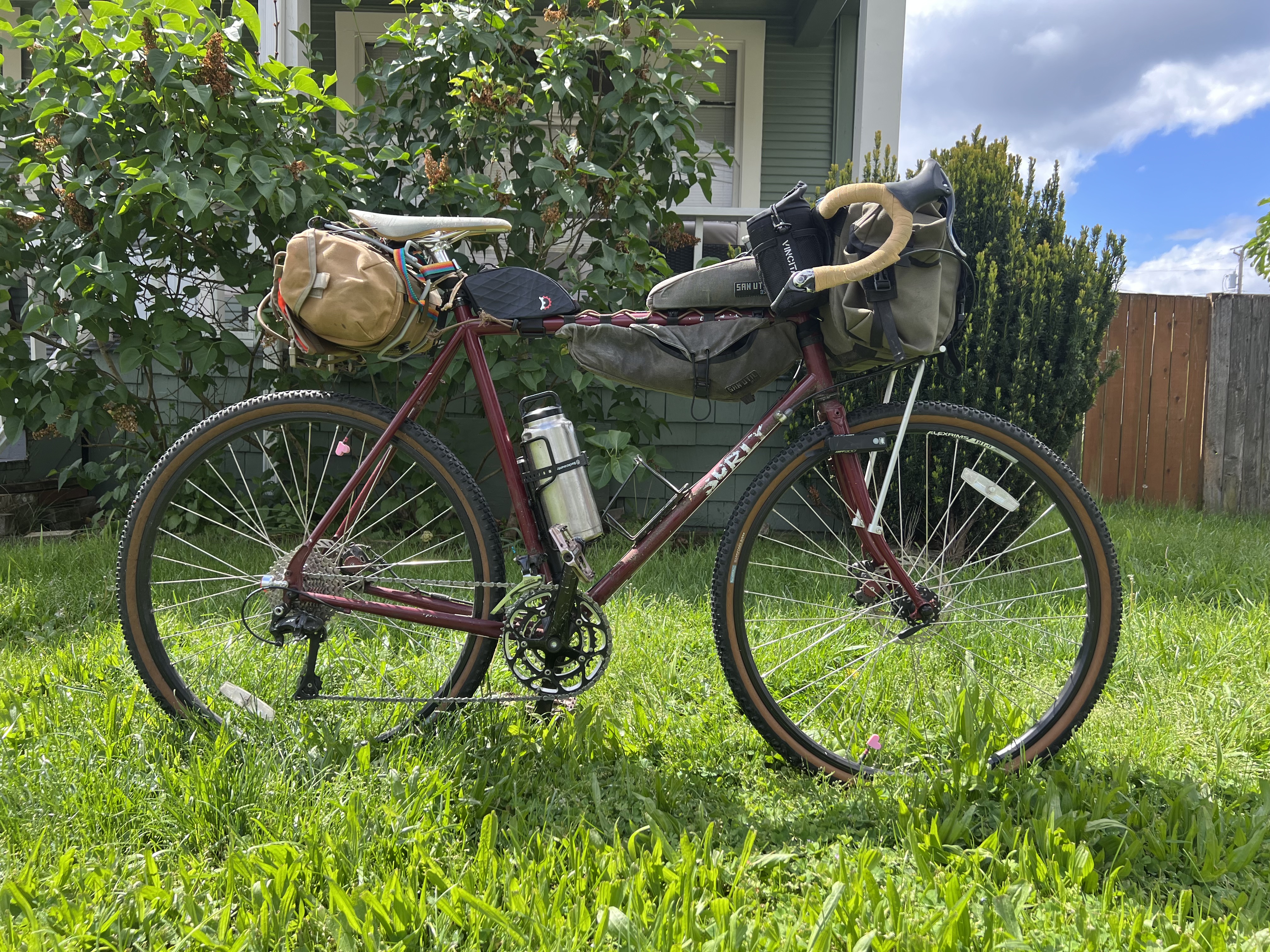
-
Cian Dimmick 5/17/2026 12:57 PMI connected a lot with what you said in your last paragraph. I would absolutely love cycling every day wherever I need to go, but that often doesn't feel realistic in the moment. I want cycling to feel like the most convenient option! That is how you get more people to bike.
-
-
Sam Dare 5/11/2026 1:12 PMThe weather is warming up quickly this spring, and I've recently installed my window unit. It might still be a little early, and I haven't had to use it much, but I decided it was time after a stressful moment last Sunday. I realized it was going to be warm that day, so I set up some fans and pulled the shades before biking off to work. As the temperature rose, I became more anxious about my senior pup, Frank, who was at home. My Apple TV records the house temperature, and I can check it in the Home app on my phone. Usually, there is at least one roommate at home. One of my roommates teaches music lessons for a living, which keeps Frank entertained and cared for while I'm away at work, but this week, all of my roommates were on vacation and weren't returning home that day as I had thought. When I saw that the temperature in the house had reached 84 degrees, I went to my manager, explained the situation, and they were supportive, happy to let me go and check up on him. I've never pedaled home so fast from work.As soon as I got home and realized he was okay, I promptly installed the window unit. After a feeling of relief, I started thinking more carefully about how to keep the house cool without wasting unnecessary energy. The issue I noticed with running the AC, or the heat for that matter, is that I sometimes tend to keep the windows open a crack for fresh air to circulate throughout the very old, dusty, and potentially moldy house, especially because I've recently had an allergy test that indicated I am allergic to Frank! However, I've realized that doing this while running the AC defeats the purpose and wastes cooled or heated air, and ultimately the energy needed to maintain it. It also has me considering how fortunate I am to live in a house with roommates - my shared living community - who have been so willing and happy to watch over Frank while I'm away at work.So, this week, I decided to buy an air filter for our room so that we can keep the windows closed more consistently while running the AC on the days Frank and I really need it. This isn't a perfect solution, and it doesn't tie as cleanly as I'd like to this week's community topic. The air filter still requires electricity and required me to buy a new product, but I am interested in testing whether improving indoor air quality would allow me to keep the windows closed, reducing wasted cooling energy from the AC while still keeping the room comfortable for both Frank and me. My hope is that this solution will also prevent an expensive utility bill, benefiting everyone's budget while living in the house. The reward was peace of mind. I feel less anxious knowing I have a better system in place for warmer days, especially when I am at work or elsewhere and can't monitor the house temperature when my roommates are away. The challenge with this solution is trade-offs: energy use, product packaging, and the reality that cooling a home in warmer weather still has an environmental impact. At the very least, this action has me thinking more carefully about energy use around climate control and gratitude for a supportive work environment and my gracious roommates in our shared home.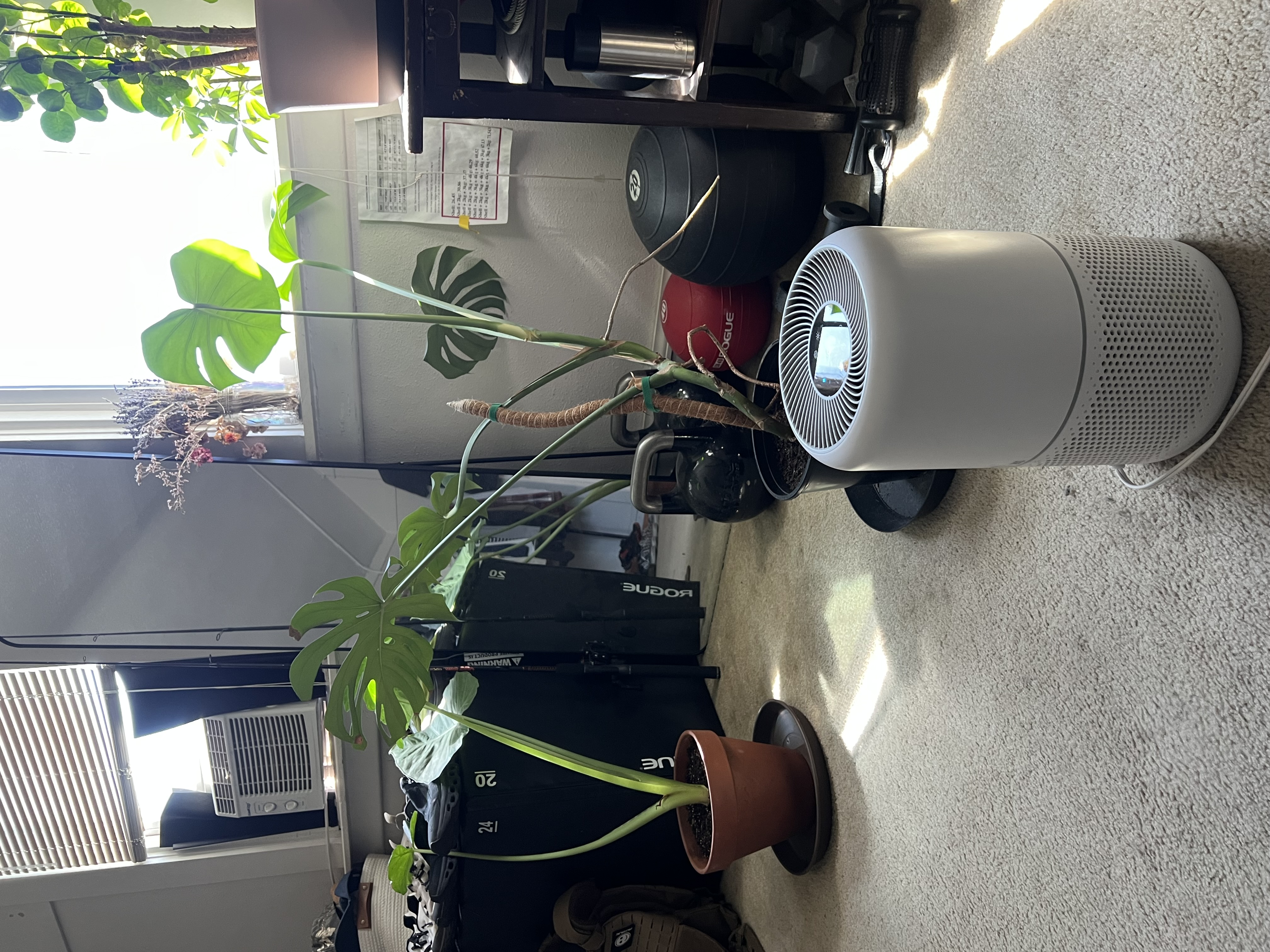
-
Elizabeth Conlon 5/13/2026 9:47 PMMy elderly cat was the reason I bought my first air conditioning unit. I can tolerate the heat, but when I came home and she was panting while melted like a pat of butter across a table I had to make sure she was comfortable.
-
-
Sam Dare 5/02/2026 9:37 PMMy eco change project focuses on food systems, and my commitment to sustainable food prep has me cooking much more than I normally would. Since I’m cooking more, I am also cleaning more dishes, and as I’ve been cleaning, it has occurred to me that some of my water use may be wasteful. I clean everything by hand, and when I clean pots, pans, or dishes, I tend to leave the faucet running. Not carelessly, usually. Most of the time, it helps me see where I’m scrubbing, since the water washes away food.
For this week’s eco challenge, I’ve decided to turn the faucet off while I scrub. This is a minor inconvenience and a reasonable adjustment that could add up over time. I’m proud of the changes I’ve made through my meal prep project, and I do not want to overwhelm myself with too many big commitments at once. The more I repeat these new behaviors, the more natural they will become, and the easier it will be to notice other habits I may want to improve.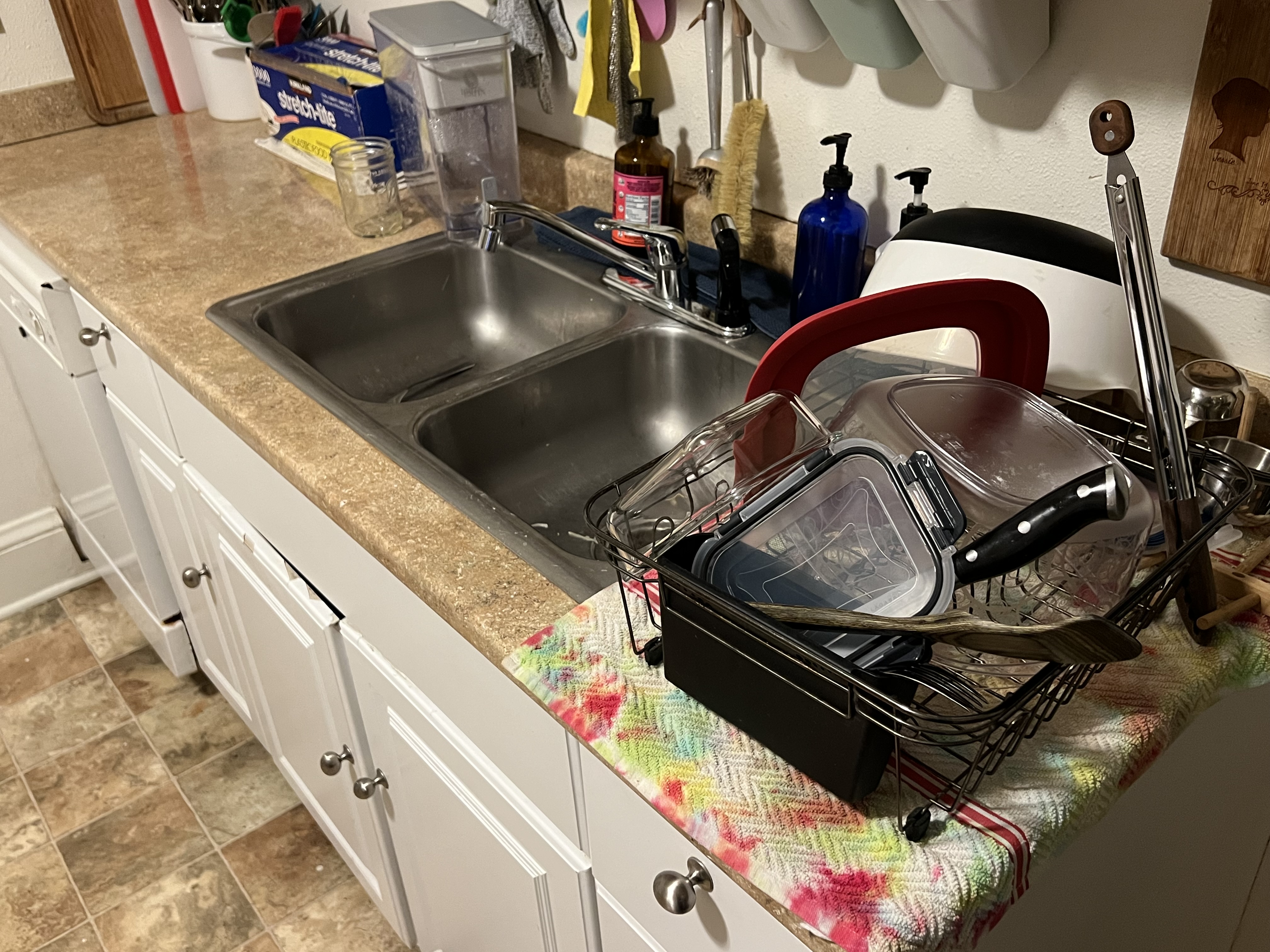
-
Edgar Padilla Fierros 5/03/2026 9:10 PMVery nice, that habit was ingrained in me when I lived in California. And much like Elizabeth mentioned dishwashers are pretty good at conserving water, more than one would think. -
Elizabeth Conlon 5/03/2026 7:49 PMI did something similar this week. Usually I hand wash, but this article from Save Energy Canada says that the dishwasher uses less water than handwashing. I don't "trust" dishwashers as I have had some bad luck in the past, but this week I tried to put that aside and let the machine do its thing. https://www.saveenergynb.ca/en/education-and-tips/energy-efficiency-articles/which-is-more-energy-efficient-dishwasher-vs-hand-washing/
-
-
Sam Dare 4/26/2026 10:26 PMMy goal is to make my own electrolyte drink in a reusable bottle rather than relying on packaged electrolyte drinks or single-serve powders. I chose this action because I’ve recently been advised to focus more on staying hydrated. I’ve had lifelong gut issues, and with the help of my naturopath, I’ve incorporated more rituals into my routine to help manage them. In the morning, for whatever reason, I crave something sweet to drink. With rising gas prices, I’ve also been feeling more motivated to bike to work, which is a 7-mile round-trip. The demand to stay hydrated is increasing. With careful finding attention, I think I've noticed that I am most dehydrated in the morning and right before bed. I work night shifts, and as soon as I get home, I tend to collapse and fall asleep wherever I land. Lately, I’ve made it a priority to drink an electrolyte mix before going to bed and again in the morning. This has not only improved my gut issues, but has also helped me satisfy my morning sweet tooth.
I’ve seen some improvement with the addition of electrolytes in my routine, but I’ve also noticed the waste from drink mix packets increasing over the past couple of months. Each packet is a single serving, and 16 packets come in a cardboard box. I’ve been pretty faithful about using electrolytes in the mornings and at night, so I replace the box every 2–3 weeks. It has recently occurred to me that I could make my own electrolyte drink mix instead. This would not only help me reduce the packaging waste I’ve been producing, but also give me a little more control over what I’m putting in my body. My current electrolyte recipe is 32 oz of water in a reusable water bottle, 1/4 teaspoon of salt, 1 tablespoon of honey, 2 tablespoons of maltodextrin, and 2 tablespoons of freshly squeezed lemon juice, and I've been getting my potassium from an organic banana every morning. The honey is mixed with a little warm water at the bottom of my water bottle, then blended with cold water and the rest of my ingredients. I may pick up some cane sugar to see if it improves taste and mixability.
I have been making my recipe for the last few days this week, and it has been going ok! In the past week, I've managed to prevent the waste of at least 8 electrolyte packets. That number will continue to increase as I continue to mix my own electrolytes. The biggest challenge so far has been finding a version of my recipe that tastes as good as the packets I've been using and feels satisfying enough to replace them while I focus on minimizing my waste. Since I usually want something sweet in the morning and tend to be dehydrated before bed, I needed it to feel like a real replacement rather than just flavored water. The current mixture sustains and hydrates me, but the taste still doesn't quite compare. It's not terrible, but it's not ideal. I'll continue consulting friends and doing my own research to refine my recipe and get it closer to something I look forward to. The reward has been that it gives me more control over what I’m drinking, helps me stay hydrated, reduces the amount of packet and box waste I’ve been creating, and it has also saved me some money! It also complements my food systems project as another way to show myself that even something as small as a drink mix is part of a larger system of packaging and consumption.
-
Lauren Neville 4/27/2026 11:22 PMCraving sweets is a hard itch to not scratch! Although I am the opposite of you, sweets in the morning make me feel nauseous and I have to start my day with protein or I crash out by 11. Morning routines are so interesting.
Kudos to you for making your own electrolyte mix though- thats awesome! I feel like youre doing a lot of good for yourself by saving on packets, not producing as much waste, and knowing exactly what your getting by making it yourself. I dont have any suggestions for you, other than adding a teaspoon of apple cider vinegar if you like kombucha. Or maybe add just a bit more honey if you need more sweetness.
-
-
Sam Dare 4/19/2026 10:42 PMI currently live in a home with three other roommates who have all been on board from day one about doing our best to manage our energy use. We all wanted to save money on our utility bills, but we also felt a real conviction to live more sustainably. These adjustments are ongoing and improving all the time, but the more glaring problem of indiscriminate and wasteful energy use at work has caught my attention recently.
Trader Joe’s is a fast-paced environment full of snap decisions, distractions, and overstimulation, so it is no wonder that this kind of energy waste occurs even among a crew of workers who value living sustainably. The most noticeable example for me has been how often we leave lights on unnecessarily. A few of us commute by bike to work and have a designated room in the building for storing our bikes while we work. The bike room light is very often left on as we go in and out to access our bikes and supplies. I'll walk by on my way to the back room, lean in, and switch the light off as I pass, at least once or twice a day.
This seemed like a small, realistic challenge for this assignment to improve sustainability in an environment where energy waste seems prevalent. I don't have control over all of our work energy waste, but I'm identifying small ways I can make a change. The folks at my particular Trader Joe's have been very receptive to ideas to improve their environmental impact.
Consistency with these behaviors has been a challenge, especially in a frenetic environment like Trader Joe's, where we move quickly and often don't give much attention to something like a light switch. It's rewarding because it reminds me that reducing energy waste doesn't always require a huge lifestyle change. Sometimes it starts with noticing one simple habit or behavior that I'm more prone to in certain environments, and taking responsibility for the space I'm in.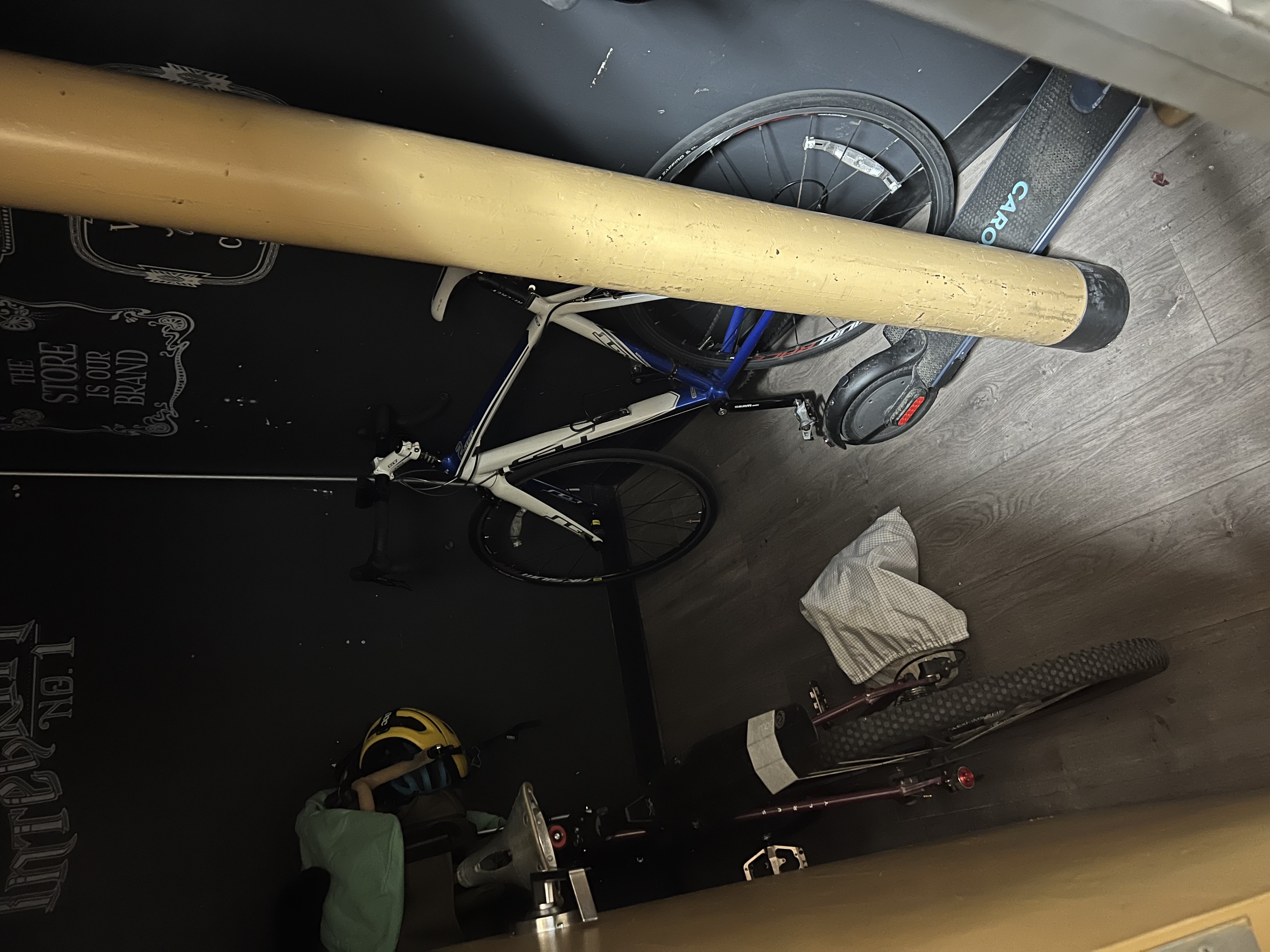
-
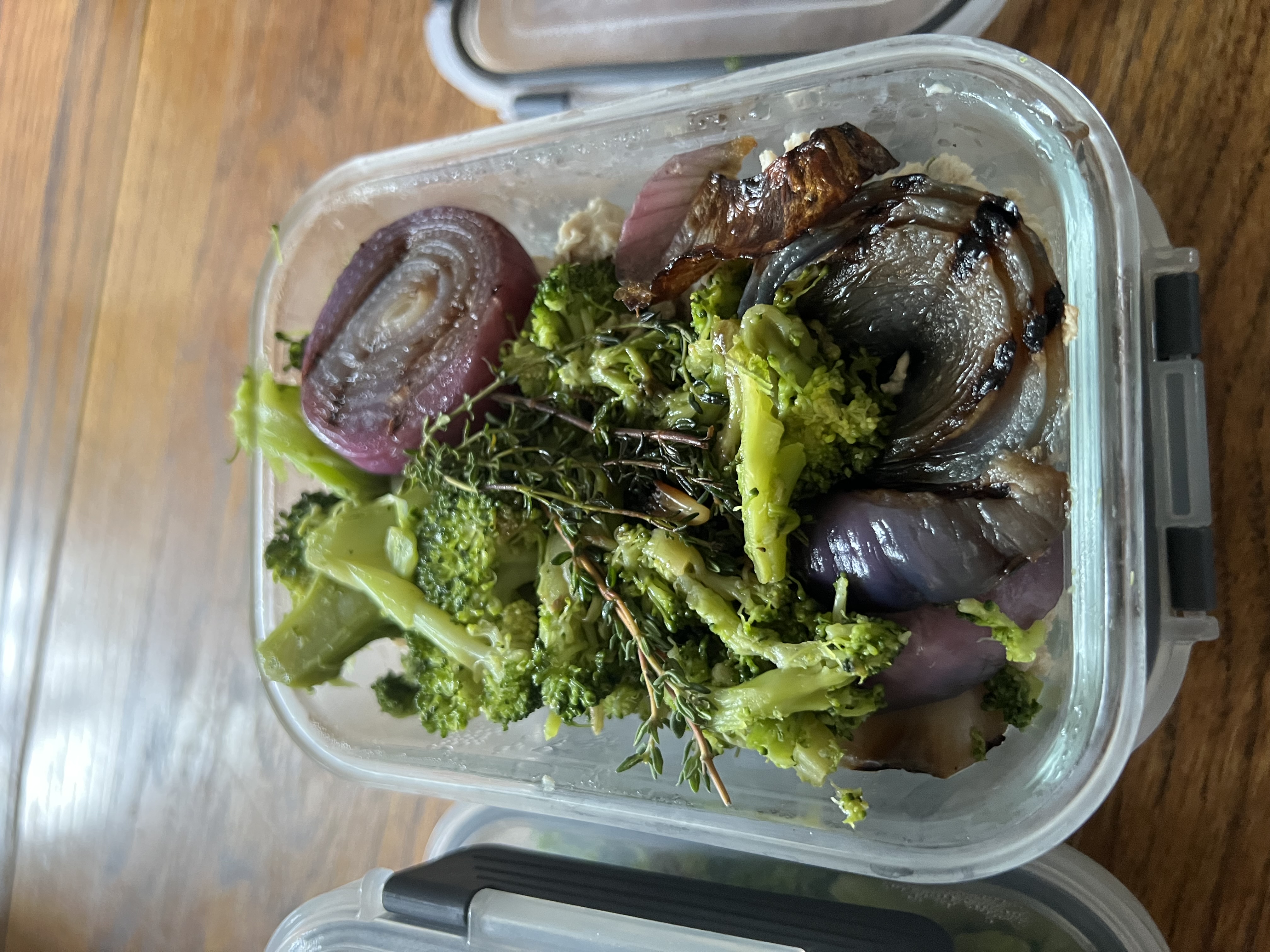
Sam Dare 4/12/2026 12:35 PMThis week, I reduced food packaging waste by preparing 8 20-ounce containers of food, 2 of which I’ve already eaten, instead of buying ready-to-eat meals and snacks. Everything is weighed out, and this system has already proven effective in satiety, meal timing, and improving my eating habits.
While building the recipe for each container, I also tried to think more carefully about using more environmentally friendly whole-food ingredients for my eco challenge post on waste. I reflected on food waste/spoilage, packaging, the environmental impact of ingredient choices, and the tradeoff between convenience, shelf life, and sustainability. Because this came together during a busy time in my life, I couldn't find all my ingredients without packaging this week, but I still built awareness and a design for a recipe around some lower-impact ingredients. Each container includes 100 grams of broccoli, 100 grams of black beans, red onion slices, avocado oil, and 170 grams of 99% lean ground turkey.
To boost protein intake without relying entirely on additional animal protein, I added black beans, which are generally a lower-impact food choice than many meats, especially red meat. The turkey is not necessarily a low-impact ingredient, but it is generally less emissions-intensive than some of the animal proteins I have made a habit of eating in the past. The broccoli I used was frozen and had already been in my freezer for a few weeks. While frozen broccoli is packaged, one sustainability benefit is that freezing can help prevent food waste. Now that I have a system for meal prep, the likelihood of wasted ingredients decreases, so next week, if my recipe calls for it, I can buy produce like broccoli more confidently without worrying as much about it spoiling before I use it. The black beans are similar in that, although they come in a can and create packaging waste, they also offer the advantage of being shelf-stable and less likely to spoil.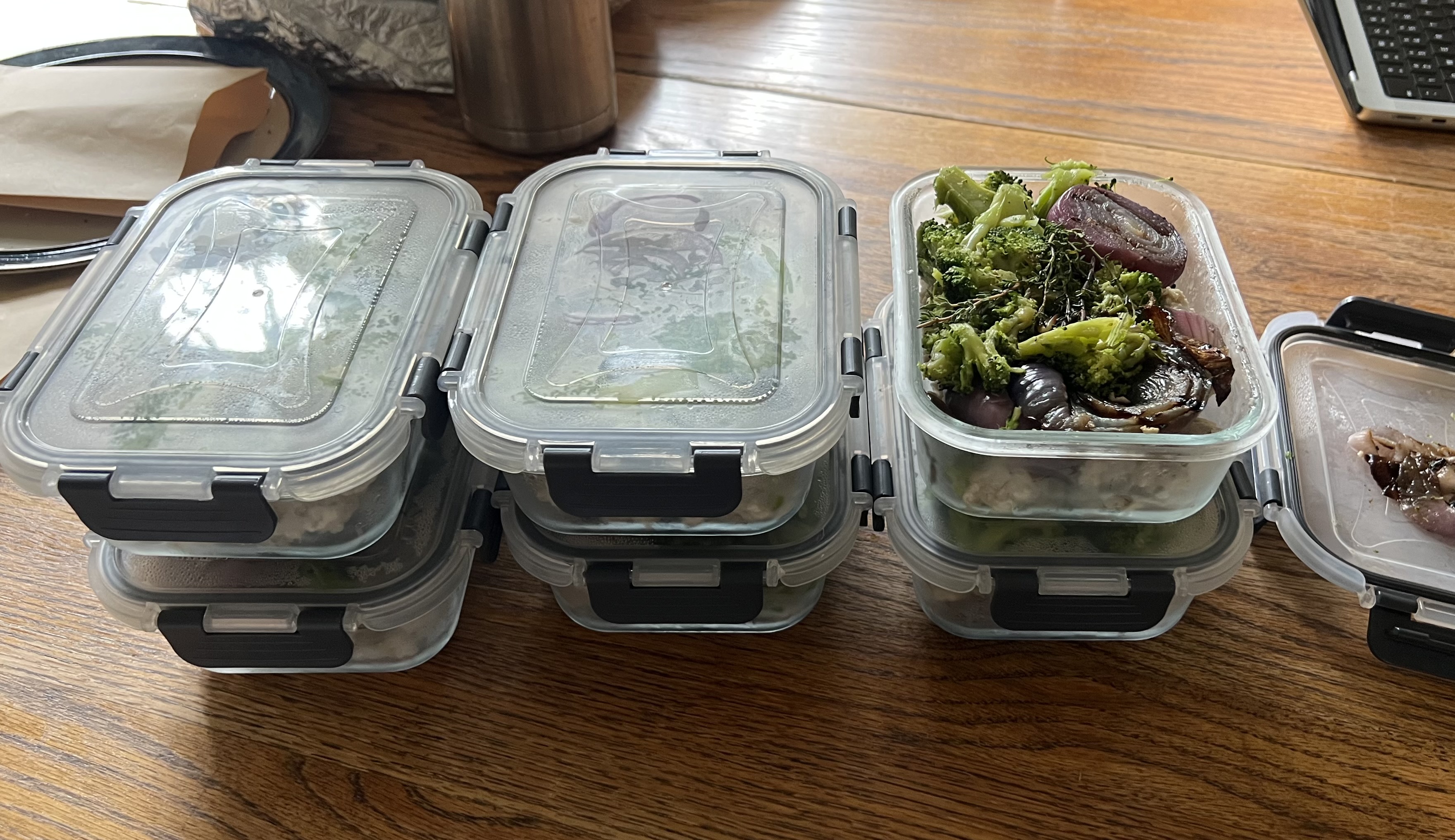
-
Cole Christ 4/12/2026 3:53 PMDoing food prep always saves so much time and energy, the most important thing is being consistent with it. Love that you weighed everything out and made pretty much the same thing. I tend to get bored with food after a couple days, so I end up changing things up. I really like soup, so about once every month I end up making soup bases or chopping up vegetables like onions, carrots, and ginger then just freezing them to use later.
For broccoli I usually just end up buying the Costco super large bags for the freezer and just using that. I feel like in the grand scheme of things the plastic waste is reduced a little bit since it is such a large bulk item rather than tiny 2 portion bags sold at smaller grocery stores.
I do not really eat too much meat anymore, but I used to go to butchers or go hunting since I did not like eating beef at all. Butcher shops tend to have a good selection of things that might not be as environmentally impactful as a cow.
Love what you did and have a good week!
-