Faith's points
- 0 TODAY
- 0 THIS WEEK
- 46 TOTAL
Faith's actions
Faith hasn't selected any actions yet. Check back soon!
Participant Feed
-
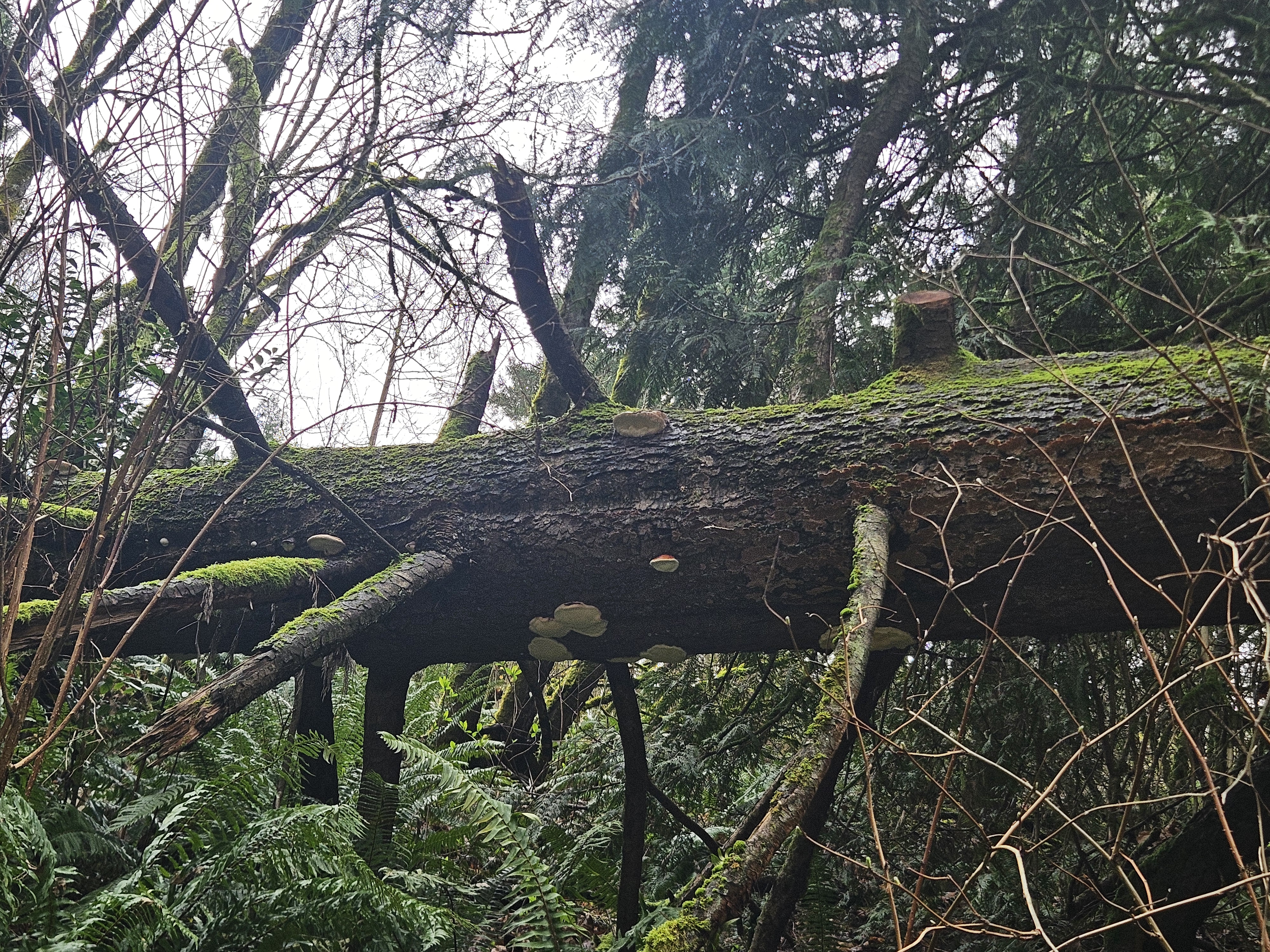
 Faith Hall 3/08/2026 8:02 PMI tried to spend some time in my local nature area near my apartment for this week's Eco challenge. I went on a hike at the Hoyt Arboretum and made sure to leave no trace, like the no-trace principle. I spent an hour and a half wandering the trails, looking at the plants/animals, and taking in the smells around me. While doing that, I picked up any trash I saw on the path. I ended up with two fistfuls of trash when I was done. One challenge I had was that I didn't bring a bag to put the trash in, so I had to grab all the trash I saw. Also realizing that there's probably a bunch of trash I might be missing because it's hidden or too small for me to see. However, I did feel very rewarded by this activity, as not only was it a nice way to calm my mind, but it also helped the environment. I was able to appreciate the forest's beauty and help keep it that way by removing the trash I found littering it.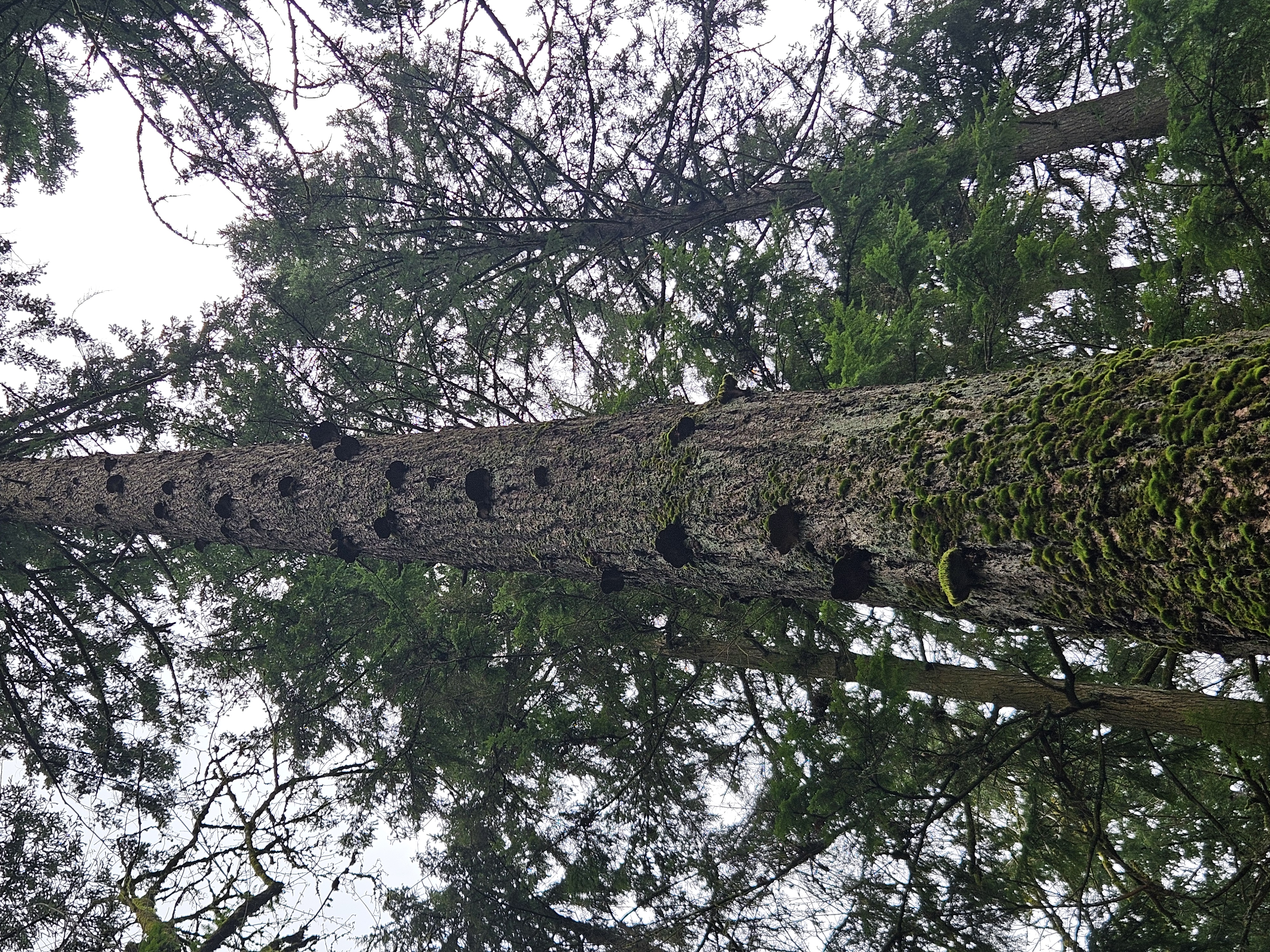
-
Faith Hall 2/25/2026 7:11 PMThis week, focusing on the theme of consumerism, I committed to not buying anything new (except groceries) and instead using, repairing, or borrowing what I already had. I realized that I often shop online because its convient or easy to do. I spent this week avoiding browsing through Amazon or any clothing websites to avoid making any impulse purchases. I had a shirt with a hole in it, so instead of buying a new one online, I asked my partner to help me repair it with a sewing kit and a piece of cloth. Through this experience, I became more aware of how we are constantly encouraged to buy things rather than repair or fix them ourselves. It also made me realize the pressures to buy unnecessary items because they are labeled as essential or trendy. One of the biggest challenges was breaking the habit of casually browsing online stores because I do it so often when I’m bored and just mindlessly look at random things I don’t need. From this, I was able to save money, reduce waste, and feel a sense of accomplishment from fixing something myself. It showed me that reducing my footprint is more about making mindful, intentional decisions and realizing how I can make more sustainable decisions moving forward. -
Faith Hall 2/18/2026 8:49 PMThis week, for the transportation theme, I chose to reduce my carbon footprint by biking for short trips instead of driving my car. As well as combining errands into one trip instead of making multiple drives to avoid creating extra air pollution. I biked to the grocery store (about 1.5 miles each way), and I decided to go grocery shopping after work, so I didn’t have to drive twice. In total, I avoided around 10–12 miles of driving. One of the largest contributors to greenhouse gas emissions in the US comes from personal vehicles. Doing this has helped me create less green gas emissions. I also realized that short trips are often the least fuel-efficient because the engine is still cold, rather than a longer trip where it stays warm throughout the trip. The biggest challenges were time management and planning ahead. When it came to biking, I had to think about how long it would take to get to and from places, and what I could carry home. However, I saved money on gas and got extra exercise. This experience made me more aware of how automatically I rely on my car and that making this change, despite not being the most convenient option, will help the environment in the long run. -
Faith Hall 2/12/2026 11:30 PMThis week’s EcoChallenge theme was community. I wanted to connect through food, so I gave my neighbors some extra homemade treats (cinnamon rolls) I had baked. In return, one of my neighbors shared some Brazilian snacks with me. What began as me giving away my leftover pastries to avoid food waste turned into a small but meaningful cultural exchange.I decided to do this because sustainable communities are built on relationships and reciprocity. I wanted to build that with my neighbors. Social sustainability is just as important as other forms of sustainability, as it's shared within a community. I feel like sharing food helps to make bonds with people and creates trust. I also wanted to give something homemade instead of purchasing individually packaged desserts.At first, I felt a little nervous knocking on their door and offering the food, as I wasn’t sure how they were going to react. However, they were very welcoming and appreciative, and they even invited me into their home to share Brazilian snacks. It really made the experience special, and I feel like I connected to them. I feel this experience became more than just sharing food with eachother it was a cultural exchange and learning. We talked about the ingredients and traditions behind the snacks, which helped me feel connected to the diversity within my community.The hardest thing for me in this challenge was stepping out of my comfort zone and confronting my fear of rejection. Despite my fears, I was able to push through it and feel more encouraged to participate in my community more. This challenge helped me realize the power of simple gestures, which create a pathway for connection and closeness in building a sustainable community. -
Faith Hall 2/08/2026 9:53 PMThis week’s sustainability theme for EcoChallenge was focused on water conservation. I chose a few water-saving practices to incorporate into my routine. I decided to try shortening my showers to 5 minutes instead of my usual longer ones. When washing dishes, I made sure to turn off the faucet whenever I wasn’t using it, then turn it back on to rinse the dishes. Lastly, I ensured I used the washing machine only with full loads to minimize water waste. The biggest challenge was staying mindful of time in the shower, as it's sometimes difficult for me to remember not to linger. When I started the challenge, I had an extremely hard time as five minutes felt rushed, and I caught myself almost slipping back into old habits. When I did the dishes, it was also a challenge to remember to turn off the tap, and doing the dishes took conscious effort. These habits are so automatic that changing them requires intentional focus. By the end of the week, the actions felt more natural, and I realized that I didn’t need as much water as I thought. This helped me see how much I waste daily, which put into perspective how much water others waste, too, that could be cut down. Adding these small changes helps me feel a sense of responsibility and accomplishment, as I feel I have control over that aspect. -
Faith Hall 2/01/2026 9:25 PMFor this week’s ecochallenge, I chose a sustainable food action by being more mindful of what I eat and how I eat. I completed the challenge by reducing food waste and making sustainable meal options. One challenge was changing my established habits and planning meals more carefully. Currently, I have a bad habit of letting food go bad, specifically produce, because I don’t know how to use it in a meal. This week, I’ve focused on being conscious of what I have and on planning my meals around it. The reward from this was feeling more aware of how everyday food choices can have a huge affect the environment. This gave me greater sustainability and personal responsibility, and really helped me see how my small, realistic changes can add up over time. I also enjoyed reading classmates’ posts, which gave me new ideas and motivation to keep improving my food-related habits. -
Faith Hall 1/25/2026 7:26 PMFor this week’s EcoChallenge, I chose focus on reducing home energy use. I selected this challenge because I wanted to reduce the energy I use, as it contributes to carbon emissions and climate change.Throughout the week, I tried my best to reduce my household energy use. I already know I’m pretty good at turning off lights when they are not in use, so that really wasn’t a struggle for me. I did struggle to remember to turn off electronics and unplug chargers to avoid phantom energy loss. It was also hard not use the thermostat for heating because of how cold it's been this last week, but I tried to layer my clothes for most of the time. By the end of the challenge, I felt more aware of how much energy I normally use. I realized how many unnecessary devices I have running all the time and how much I rely on my heater. I appreciated that small behavior changes didn’t cause any major inconveniences and put into perspective what changes I can make in other areas to help the environment.This challenge helped me realize that energy conservation starts with mindfulness, recognizing that every action or inaction we take has an impact. These small changes I made this week, I want to turn into long-term habits to continue beyond this week. -
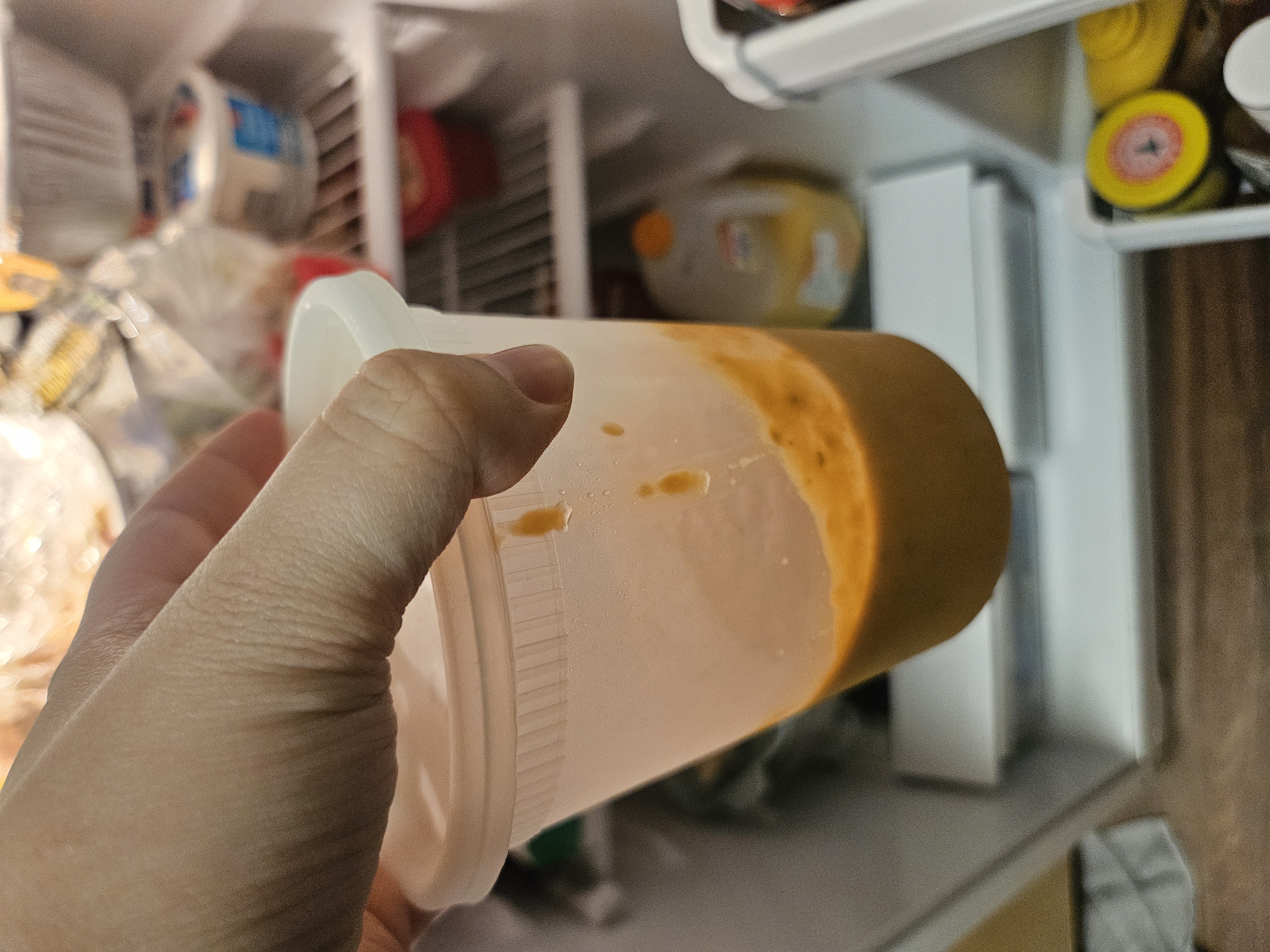
Faith Hall 1/18/2026 11:11 AMFor this week’s waste theme, I focused on reducing food waste, specifically produce waste, by intentionally using everything I bought at the grocery store before it spoiled. Food waste is a major contributor to landfill methane emissions, and I've been struggling with it. I wanted to try a realistic action I could actually maintain at home.One example from this week was tomatoes. I bought a large amount with the intention of making salsa, but I ended up having a lot of extras. So decided to make additional meals around them. I made shakshuka and tomato soup to use up all the tomatoes. Being more mindful of meal planning is something I want to incorporate into my life to make sure I cause little to no food waste.The biggest challenge was with this was time and creativity. I had to think about all the ingredients I had to figure out what to cook, which did take some effort and flexibility. However, the rewards from this experience helped me save money and avoid throwing food away. I feel that I’m more aware of how much I need to buy and what I’m going to cook before buying produce.This challenge reflects the waste reduction and sustainable consumption discussed in class, especially the idea of preventing waste at the source. It's much harder to manage it after it’s created. I’ve posted a photo of the meals I made to document this action.